
- 1. Where the Nano EV fits in India’s EV story
- 2. Design that respects the city
- 3. Cabin and comfort for daily use
- 4. Power, range, and how it feels to drive
- 5. Charging that fits home routines
- 6. Features that make sense for city life
- 7. Safety basics and sensible choices
- 8. Ownership costs and why this matters
- 9. What a city buyer should evaluate
- 10. Early impressions and who should consider it
- 11. The bigger picture for India’s EV adoption
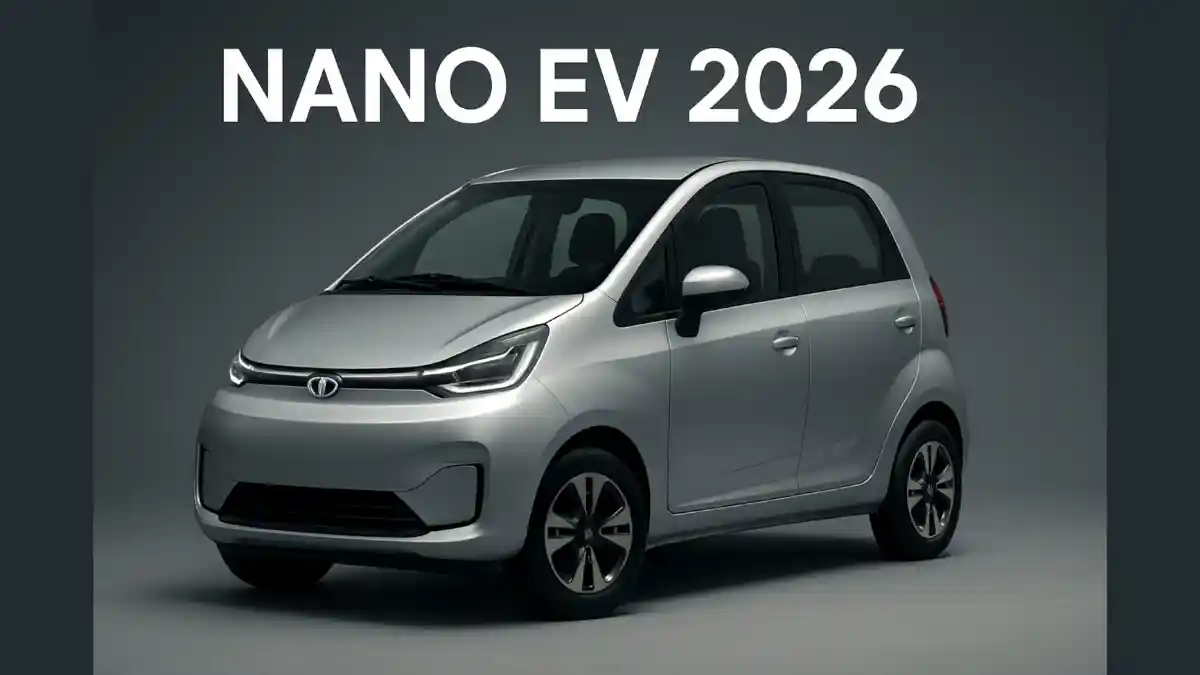
Nano EV 2026: Electric cars in India are no longer rare sights at traffic signals. What still feels rare is an EV that speaks directly to everyday city life. The Nano EV 2026 is being watched closely because it aims to bring electric mobility to buyers who want a simple, efficient, and affordable car that fits into narrow lanes, tight parking, and short commutes without fuss.
Where the Nano EV fits in India’s EV story
Early EVs in India focused on technology and premium feel. They were great to drive and loaded with features, yet their price kept many buyers away. A city-friendly EV at an attainable price is a different pitch. It is less about showing off and more about solving daily problems. The Nano name has always stood for purpose over frills. The electric chapter continues that idea with a stronger focus on ease, low running costs, and simple ownership.
In crowded urban centers, what matters most is the ability to glide through traffic, park in tight spots, and run errands without worrying about petrol bills. A compact EV with practical range, clean interiors, and predictable charging can be a genuine upgrade for a household that already uses two-wheelers or a small hatchback.
Design that respects the city
The Nano EV keeps a compact footprint, which is its superpower on busy streets. The bonnet is short, the height is friendly, and the edges are softened to reduce visual bulk. The stance looks upright and confident, and that helps with a clear view of the road. This is a design that works at 20 km/h as much as it does at 60, which is the reality for many Indian cities.
Lighting is expected to be simple and modern with crisp headlamps and a clean tail design. Door cuts are tall for easier entry. The hatch opens wide to make loading groceries or small luggage quick. Wheels are modest, targeting a balance of ride comfort and durability over potholes. You get a city car that looks neat, feels cheerful, and does not pretend to be something it is not.
Cabin and comfort for daily use
Inside, the approach is straightforward. Seats aim for soft cushioning with supportive backs, and the driving position is slightly elevated for visibility. The rear bench is set up for short trips and school runs. Fabrics and plastics lean toward easy cleaning rather than flashy textures. Storage spaces are more important than fancy trim. You will likely find usable door pockets, a shelf for a phone, and a couple of cup holders that do not get in the way.
Controls are kept intuitive. A compact digital instrument cluster shows speed, battery level, range, and basic alerts. The center screen focuses on navigation and media without distracting animations. Bluetooth, USB, and simple phone mirroring are expected. The idea is less scrolling and more driving. Cabin noise is typically low at city speeds in EVs, and the Nano’s compact body should make the car feel calm and easy in slow traffic.
Power, range, and how it feels to drive
City EVs do not chase high horsepower figures. They chase smooth starts, consistent braking, and predictable throttle response. That is what helps you weave through autos, buses, and bikes with confidence. Expect the Nano EV to deliver quick off-the-line pull that fades into a steady cruise, which is perfect for stop and go. Steering effort aims to be light for parking and tight turns. Ride quality targets the middle ground where small bumps are filtered and bigger ones do not rattle the cabin.

Range expectations for a compact city EV typically revolve around a realistic daily loop. A buyer commuting 10 to 30 km a day, with a couple of detours, wants to charge two to three times a week at home. The Nano EV should align with that rhythm. Real-world range depends on driving style, air conditioning use, and traffic patterns. The goal is simple. You should be able to plan a week of errands without range anxiety and top up at night without thinking about fast chargers every day.
Charging that fits home routines
Most urban EV owners in India rely on home charging. A standard 15A outlet can be enough for overnight top ups on compact EVs. The Nano EV is expected to support home-friendly charging with safety protections and clear indicators on charge status. Public chargers are helpful for occasional needs, but the promise of this car is that you do not have to hunt for a charger to keep going. You plug in at home after dinner, and you wake up to a battery ready for the next day.
Charging guidance will likely recommend shallow top ups rather than deep cycles for battery health. Smart charging features could pause or slow down when power fluctuates. Clear app alerts can make it easy to plan charging during off-peak hours if your area offers variable tariffs. For apartment living, the challenge is getting a dedicated socket and permission. Many housing societies are catching up, and builders now plan EV-ready parking in new projects.
Features that make sense for city life
EVs offer silent running and instant torque by nature. The Nano EV builds on that with a set of features that focus on daily comfort. Expect a compact infotainment screen, phone connectivity, and a simple voice prompt system for calls and maps. Air conditioning aims at quick cooling for hot afternoons. Rear defogger and a strong blower help handle monsoon days. Parking sensors or a basic rear camera can make tight parking less stressful.
Small touches count. Power windows with child lock, a tilt-adjust steering, a height-friendly driver seat, and usable sun visors make long days easier. An airy cabin feel is often more important than fancy chrome. Practical floor mats, accessible charging cables, and a clean boot area help keep the car neat. If the car offers a basic eco mode, it should make the throttle gentler and extend range without turning the drive dull.
Safety basics and sensible choices
Safety in compact EVs centers around structure, restraint systems, and driver aids. A reinforced cabin with crumple zones can manage impacts, while seatbelts with pretensioners keep occupants stable. Airbags for the front seats are expected. Anti-lock braking and electronic stability aids help if you brake hard or swerve. Tyre pressure monitoring can keep rolling resistance and grip consistent. Clear outward visibility, strong wipers, and effective headlamps are the kind of basics that matter every day.
Battery safety is another key area. Thermal management should keep temperatures in check during both hot summers and charging cycles. The battery pack is typically sealed and mounted low in the chassis to improve stability. Safety cutoffs can isolate the pack in a collision. These are not flashy features, but they build trust and make the car feel dependable over years of use.
Ownership costs and why this matters
Running costs are a primary reason to pick a compact EV. Electricity bills for a small EV are usually lower than monthly petrol spends for similar city usage. Fewer moving parts mean fewer routine mechanical services. Brake wear is reduced thanks to regen. Tyres and wiper blades remain the common consumables. Insurance premiums are guided by declared value and features, and many insurers now have EV-friendly plans. If the car is priced right at the start, total cost of ownership can undercut a small petrol hatch over three to five years.
Resale value for compact EVs is an evolving story in India. Confidence grows when battery health stays strong and software support remains smooth. Buyers will look for transparent service records and clear battery diagnostics. If the Nano EV makes these details easy to share, the used market will be more welcoming.
What a city buyer should evaluate
Before picking any compact EV, make a checklist that reflects your daily life. Measure your weekly driving distance and charging access. Confirm that your parking spot can host a safe 15A socket. Try a test drive during peak traffic to feel throttle tuning and brake behavior. Sit in the rear seat to check headroom and legroom if you plan family trips. Ask about service networks, battery warranty, and software updates. Look for basic accessories like a portable charger and a tyre inflator to avoid last minute spending.
If your city has reliable public chargers in areas you visit often, that is a bonus. If not, ensure your home setup is stable. Keep spare keys accessible and phone mirroring set up for quick navigation. A compact EV shines when it disappears into your routine rather than becoming a daily plan.
Early impressions and who should consider it
The Nano EV 2026 aims squarely at urban users. First time car buyers, small families running short loops, and households looking for a second car for errands are its natural audience. For them, this EV is not about sportiness or long road trips. It is about making city life calmer and cheaper to run. It helps you step away from petrol pumps and noise, and settle into a quieter way of getting around.
If you often drive on highways or carry heavy loads, a bigger EV or a compact petrol car might be a better fit. If most of your trips stay within the city and you have a steady charging plan, the Nano EV idea makes strong sense. It respects time, space, and peace of mind, which are precious on Indian roads.
The bigger picture for India’s EV adoption
Affordable city EVs are essential for mass adoption. They lower entry barriers and create confidence with simple ownership. As charging improves and housing societies enable sockets, compact EVs will feel natural. The Nano EV 2026 sits in that wave of practical cars that choose clarity over complexity. If it delivers steady range, clean usability, and honest pricing, it can nudge many buyers into their first electric car without hesitation.
India’s EV journey is not just about top-end models or headline specs. It is about thousands of households replacing short petrol runs with quiet electric trips. A compact EV that understands this rhythm can change everyday life more than premium tech ever will.
Final take
The Nano EV 2026 positions itself as a simple, city-first electric hatch that respects daily routines and budgets. It keeps design friendly, features practical, and charging predictable. For buyers who value calm, low running costs, and easy ownership, this direction feels right. If pricing and service support align, the Nano EV could be a timely step forward for urban India.